
Punjab, known as the 'Land of Five Rivers,' experiences a diverse climate throughout the year, making understanding the local weather in Punjab crucial for residents and visitors alike. From scorching summers to cool winters and the essential monsoon season, the region's atmospheric conditions significantly impact daily life and agricultural practices.
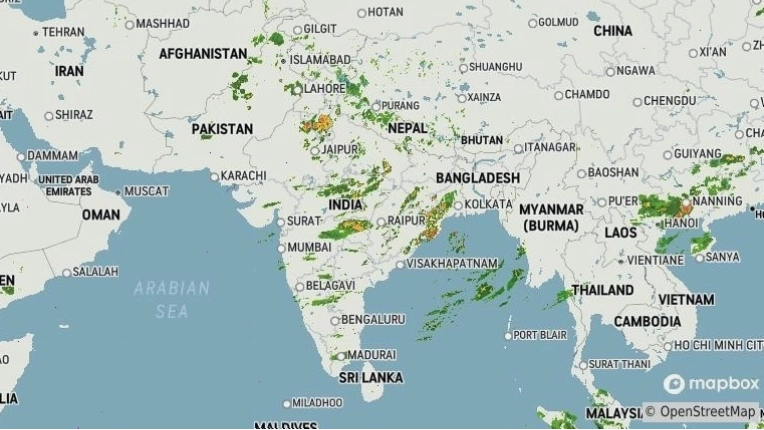
Understanding Punjab's Distinct Climatic Patterns
The climate of Punjab can broadly be categorized into three main seasons: summer, monsoon, and winter. Each season brings its unique set of challenges and characteristics, shaping the daily rhythms of the state.
The Summer Season and its Characteristics
What defines Punjab's summer? Typically extending from April to June, this period is characterized by intense heat and dry conditions. Temperatures often soar, frequently exceeding 40°C in many areas. The blazing sun and low humidity create a stark landscape across the weather india.
Why are Punjab's summers so hot? The geographical location of Punjab in the northern plains weather contributes significantly to these extreme temperatures. Its distance from the moderating influence of the sea, coupled with hot winds known as Loo, exacerbates the heat. Residents often seek respite indoors during peak daylight hours.
How do people cope with the heat? Adaptations include using air conditioning and coolers, staying hydrated, and scheduling outdoor activities for early mornings or late evenings. Farmers adjust irrigation schedules to protect crops from intense heat stress.
The Critical Punjab Monsoon Season
What is the Punjab monsoon? Following the intense summer, the monsoon season, typically from July to September, brings much-needed rainfall. This period is vital for the state's agriculture, which is heavily reliant on timely and adequate precipitation.

Why is the monsoon so crucial for Punjab? The Punjab monsoon directly impacts crop yields, especially for rice, maize, and cotton. A good monsoon ensures agricultural prosperity, while a weak one can lead to drought-like conditions and economic hardship. The rainfall replenishes groundwater reserves, essential for irrigation and domestic use.
How do forecasts help manage monsoon impacts? Accurate weather forecasts during this period are critical for farmers to make informed decisions about sowing, irrigation, and harvesting. Local authorities also monitor rainfall to prevent flooding and manage water resources effectively.
Embracing the Cold Winters Punjab Experiences
What defines the cold winters Punjab endures? From late October to March, Punjab experiences a noticeable drop in temperature, ushering in cold and sometimes foggy conditions. The nights can be particularly chilly, with temperatures often dipping close to freezing point in some areas.
Why do these cold winters Punjab face occur? The region's continental climate and its proximity to the Himalayas are primary factors. Cold winds from the northern mountains bring down temperatures, and dense fog is a common phenomenon, particularly in December and January, affecting visibility and transportation.
How do communities prepare for winter? People layer clothing, use heating devices, and consume warm beverages and seasonal foods. Farmers adjust their crop cycles to cultivate winter crops like wheat and mustard, which thrive in cooler temperatures. Understanding winter patterns is as important as answering security questions for online safety.
Current Weather Status Across Major Punjab Cities
Current weather information offers a snapshot of conditions across Punjab, aiding in immediate planning. Data from cities like Chandigarh, Amritsar, Patiala, and Ludhiana shows varying temperatures and wind patterns.
- Chandigarh City: Currently experiencing 27° Calm conditions with 90% humidity, indicating a mild, still environment.
- Amritsar: Registers 30.4° with an Easterly wind at 11.1km/h and 81% humidity, suggesting a warm and slightly breezy day.
- Patiala: Shows 27.6° with a Northeasterly wind at 5.6km/h and 83% humidity, also indicating relatively calm and humid weather.
- Ludhiana: Similar to Chandigarh, Ludhiana is 29° Calm with 86% humidity, reflecting stable conditions.
These real-time figures are crucial for residents to prepare for their day, whether for commuting, outdoor work, or leisure activities.
Detailed Jalandhar 14-Day Weather Forecast
For a more in-depth look, Jalandhar's 14-day forecast provides comprehensive insights into upcoming weather trends, including temperatures, wind, humidity, and precipitation probability.
| Date | Day Temp (°C) | Night Temp (°C) | Wind (km/h) | Humidity (%) | Rain Chance (%) | Summary |
|---|---|---|---|---|---|---|
| Tue, Jul 21 | 30 (Feels 35) | 26 (Feels 26) | 20 SE | 74/94 | 90/100 | Mainly cloudy; moderate rain/scattered thunderstorms. |
| Wed, Jul 22 | 30 (Feels 36) | 26 (Feels 26) | 17 SE | 75/91 | 90/90 | Cloudy; light rain/scattered thunderstorms. Muggy. |
| Thu, Jul 23 | 32 (Feels 39) | 27 (Feels 30) | 12 SE | 67/88 | 100/60 | Mainly cloudy; scattered thunderstorms. Muggy. |
| Fri, Jul 24 | 33 (Feels 41) | 27 (Feels 30) | 13 SE | 61/86 | 90/70 | Partly sunny; scattered thunderstorms. Hot and humid. |
| Sat, Jul 25 | 33 (Feels 41) | 27 (Feels 32) | 12 E | 66/92 | 60/60 | Partly sunny; scattered showers. Hot and humid. |
| Sun, Jul 26 | 33 (Feels 40) | - | 10 E | 65 | 90 | Partly sunny; scattered showers. Hot. |
This forecast highlights a period of increased precipitation and thunderstorms, indicating the ongoing influence of the Punjab monsoon. The 'Feels Like' temperatures suggest the humidity will make it feel warmer than the actual air temperature, a common characteristic of tropical weather.
The Impact of Punjab's Weather on Agriculture and Economy
Punjab's economy is predominantly agrarian, and its weather patterns are intrinsically linked to agricultural productivity. The timing and intensity of rainfall, particularly during the monsoon, dictate the success of major crops. Conversely, extreme weather events, whether prolonged heatwaves or unexpected cold snaps during the cold winters Punjab faces, can lead to significant crop damage and economic losses.
The government and agricultural scientists continually monitor weather conditions to provide advisories to farmers, promoting resilient farming practices. This integrated approach ensures that the state can mitigate risks and sustain its position as the food bowl of India, despite changing climatic conditions.
Leveraging Weather Information for Daily Living
Access to accurate and timely weather information is indispensable for daily planning in Punjab. Whether you are a farmer deciding on irrigation, a commuter planning their route during foggy winter mornings, or a traveler exploring the region, understanding the weather helps you make informed decisions. Utilize local forecasts and radar maps to stay prepared for whatever the sky may bring.